

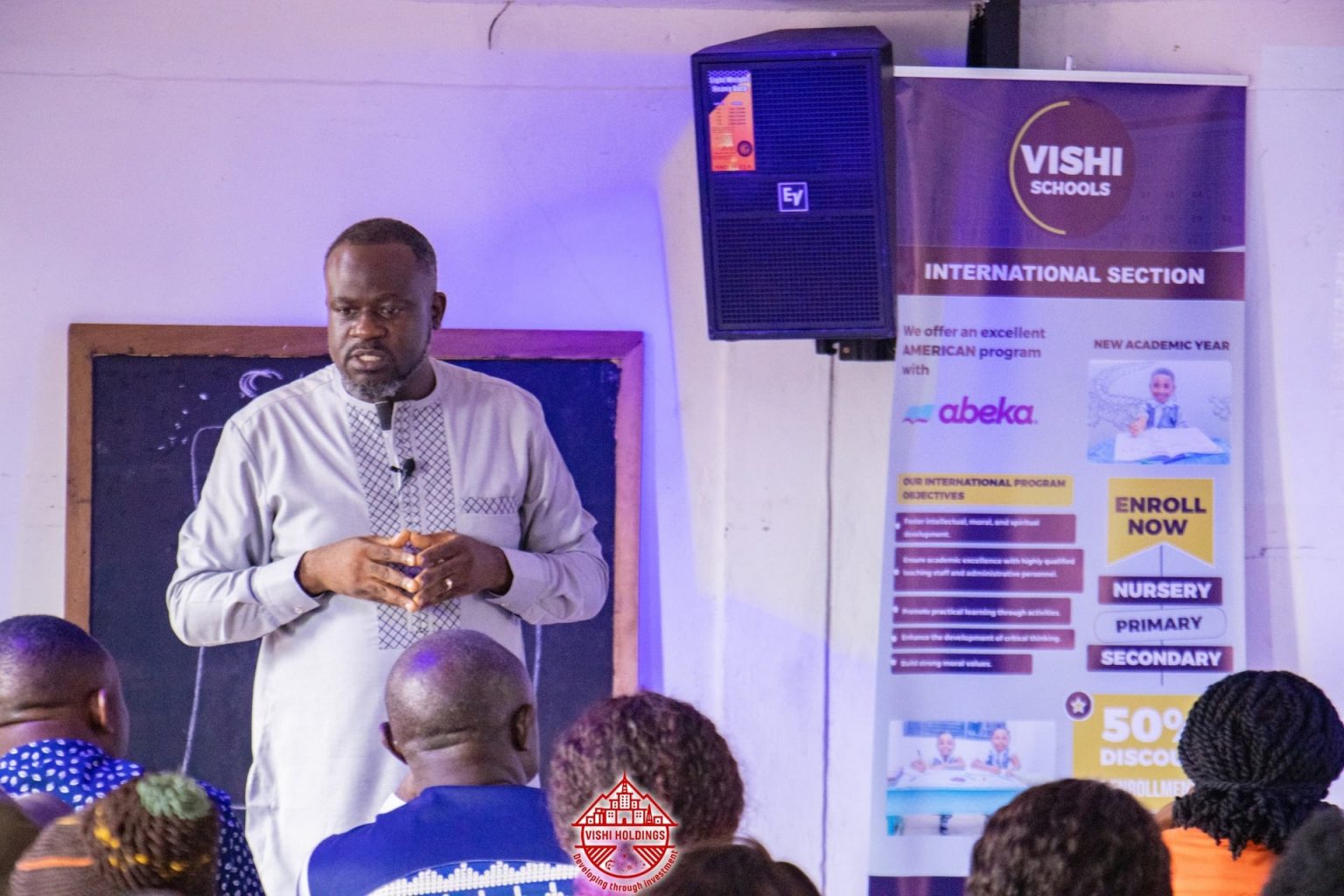
This was the core message I conveyed during a two-day training on strategic and transformation management to the top management of Vishi Holdings. As an emerging conglomerate, Vishi Holdings aims to build a bright future for Africa by empowering a skilled human capital with a culture of excellence to drive economic growth and community development across the continent.
Africa’s future hinges on a thriving private sector which is crucial to its Sustainable Development Goals. A thriving economy, built on a sound business environment, is a key pillar of positive peace, according to the Institute of Economics and Peace. However, becoming productive in today’s competitive world requires resilience and determination, especially for Africans who have been historically disadvantaged, as it has for centuries been despoiled not only of it natural resources but also human resources. Nevertheless, we must shed the victim mentality and recognize that even nations like the United States and China, once colonized, overcame adversity by adopting a leadership mindset which compelled them to be strategic.
This is where the military mindset comes into play. Just as army generals strategize for survival, African business leaders must embrace a strategic approach to think critically and act decisively to overcome challenges. It is the mindset required to get to the top and stay ahead of rivals. It is this productive mindset steered by African entrepreneurs which accelerate development, silence the guns in Africa and effectively addressing the continent’s challenges more impactfully than NGOs or Civil Society Organizations. By fostering an entrepreneurial mindset among African people, we can transform Africa’s vast human and natural resources into real wealth. Producers, not beggars, are the leaders we need.Strategic management training is therefore essential for all African business leaders and managers. It equips them to stay ahead of competitors, particularly foreign companies vying for the African market. Strategic management equips leaders to be innovative, understand their environment, identify key stakeholders, and adapt quickly to change and uncertainty.
However, a key challenge is identifying indirect stakeholders, especially those who can play a significant role in securing a company’s sustainable competitive advantage. A poor analysis of the indirect stakeholders can narrow your strategic and leave many blind spots in process of strategic formulation and implementation. In today’s fast-paced digital world, those who are not strategic will be left behind. There is no room for mistakes. Building a thriving Africa requires time, patience, hard work, sacrifice, and a commitment to excellence. Colonial legacies, particularly Western education, have unfortunately fostered a consumer mindset rather than a producer or building mindset. This has led to a culture of dependence and underdevelopment. It’s time for Africa to take the lead, but this comes at a cost. Are we ready to pay that price?

Leave a Reply